Aunt Estée
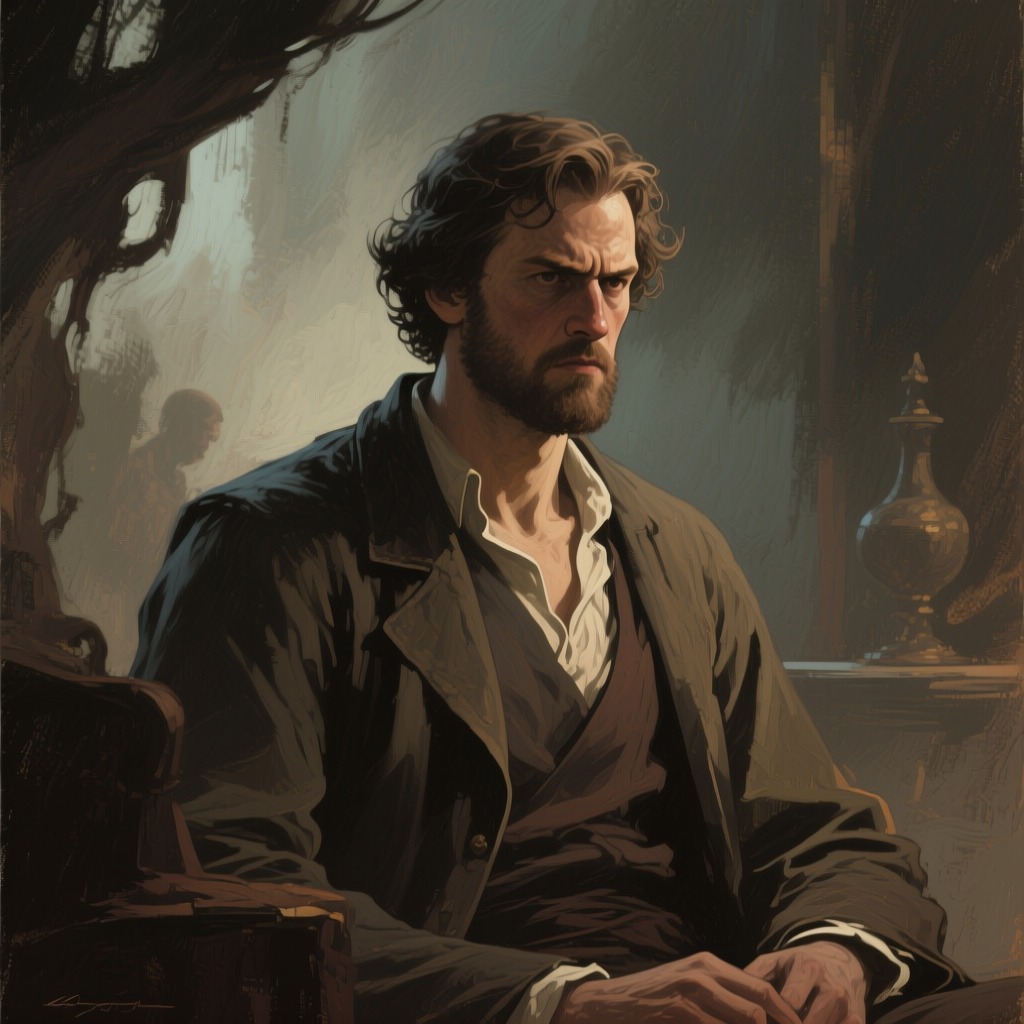
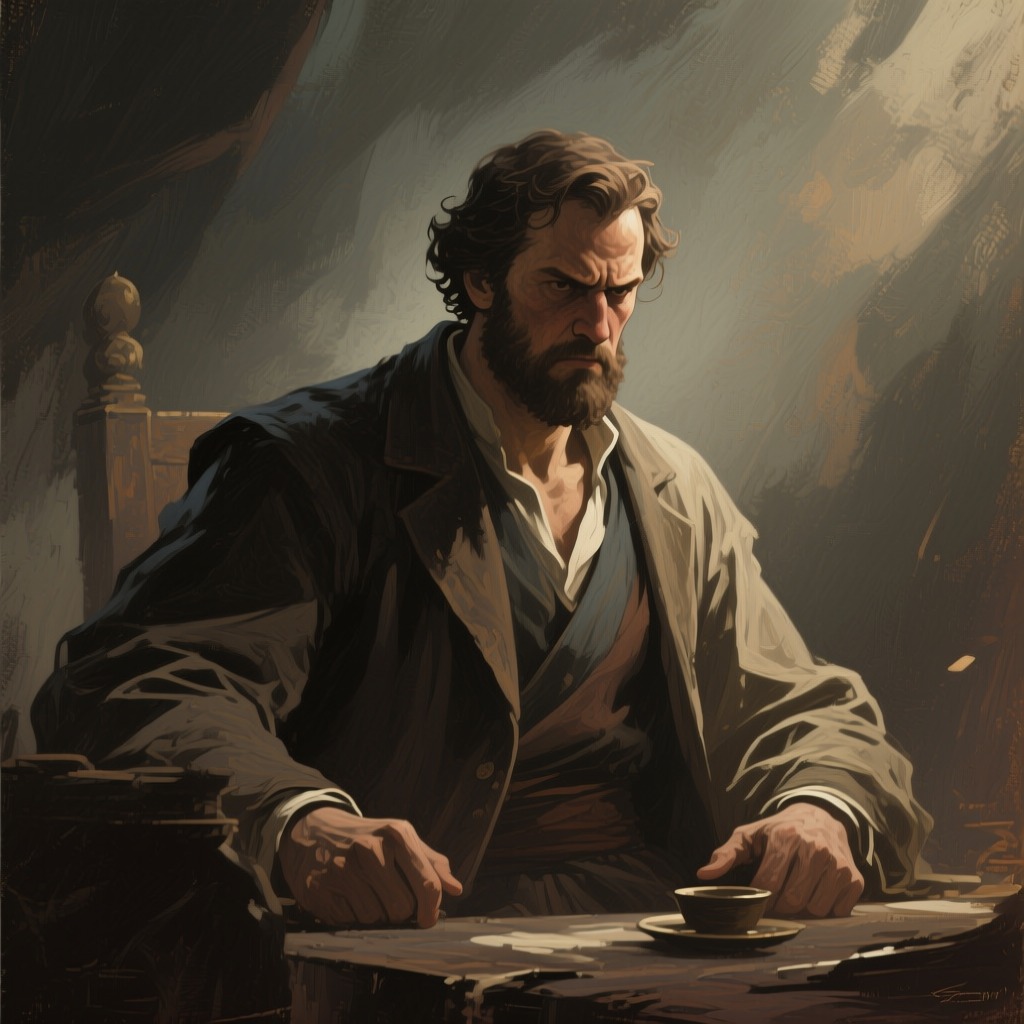
Aunt Estée is a teacher at the Vidala School for elite girls in Gilead, where she serves as a counterbalance to the severe and frightening lessons of Aunt Vidala. While Aunt Vidala warns the girls that they are "precious flowers" whose very nature can drive men to lust and violence, Aunt Estée offers a gentler perspective. She tells the girls that "all men are not like that" and that the better kind have "decent self-restraint," assuring them that marriage will not be as fearsome as it seems. She teaches Crafts, and her lessons are often punctuated with humor, such as comparing the idea of women thinking large thoughts to "trying to teach a cat to crochet." Despite her dimples and friendly smile, her soothing words are not always enough to overcome the terror instilled by Aunt Vidala, and the girls, including Agnes Jemima, continue to have nightmares about the dangers of men.
Role in Agnes's Escape from Marriage
When Agnes Jemima is betrothed to the powerful and elderly Commander Judd and becomes desperate enough to contemplate suicide, she turns to Aunt Estée. Agnes goes to her old school after hours and finds Aunt Estée still there. Agnes confesses that she will kill herself rather than go through with the marriage, and Aunt Estée listens without judgment. She asks Agnes if she has perhaps received a "call to higher service," the only acceptable way for a girl to avoid marriage and become an Aunt. Agnes seizes on this, and Aunt Estée, after a period of silent prayer for guidance, agrees to help. She takes Agnes to Ardua Hall for safekeeping, telling her driver to inform Paula that she is taking responsibility for the girl. She then goes to speak with Agnes's parents and with Aunt Lydia, setting in motion the process that allows Agnes to become a Supplicant Aunt instead of a bride.
Narrative Role and Thematic Significance
Aunt Estée represents the possibility of kindness and mercy within Gilead's oppressive system. She is a figure of genuine compassion who uses her limited authority to protect vulnerable girls, but she is also constrained by the regime's rules. She cannot openly defy the system; instead, she works within it, using the loophole of a "higher calling" to save Agnes. Her willingness to lie to the authorities and to risk her own position to help a desperate girl highlights the small acts of resistance that are possible even in a totalitarian state. She is a reminder that not all of Gilead's enforcers are monsters, and that the system relies on the complicity of people who may be trying to do good within impossible circumstances. Her final words to Agnes, "All will be well. All manner of things will be well," offer a fragile hope that is both comforting and painfully inadequate in the face of the horrors that surround them.